Actionable intelligence to support data-driven decision making across multiple industries.
Actionable intelligence to support data-driven decision making across multiple industries.
Four strategic service areas within
a specialized technological ecosystem
Specialized outsourcing ensures efficiency in data capture thanks to the cutting edge equipment, validated data quality, scalability, and interoperability. CleverField for periodic updating.
VISIONA unified environment for working with digital twins from anywhere in the world, using low spec devices and without the need for local software installations.
IDENTIFYAI assisted object detection on imagedata.
CleverTwin supports automated report generation, consolidating data for different management levels within the organization in a clear and actionable way.

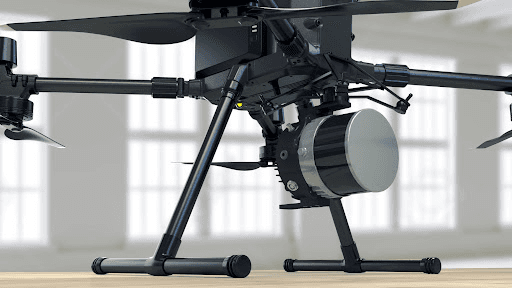
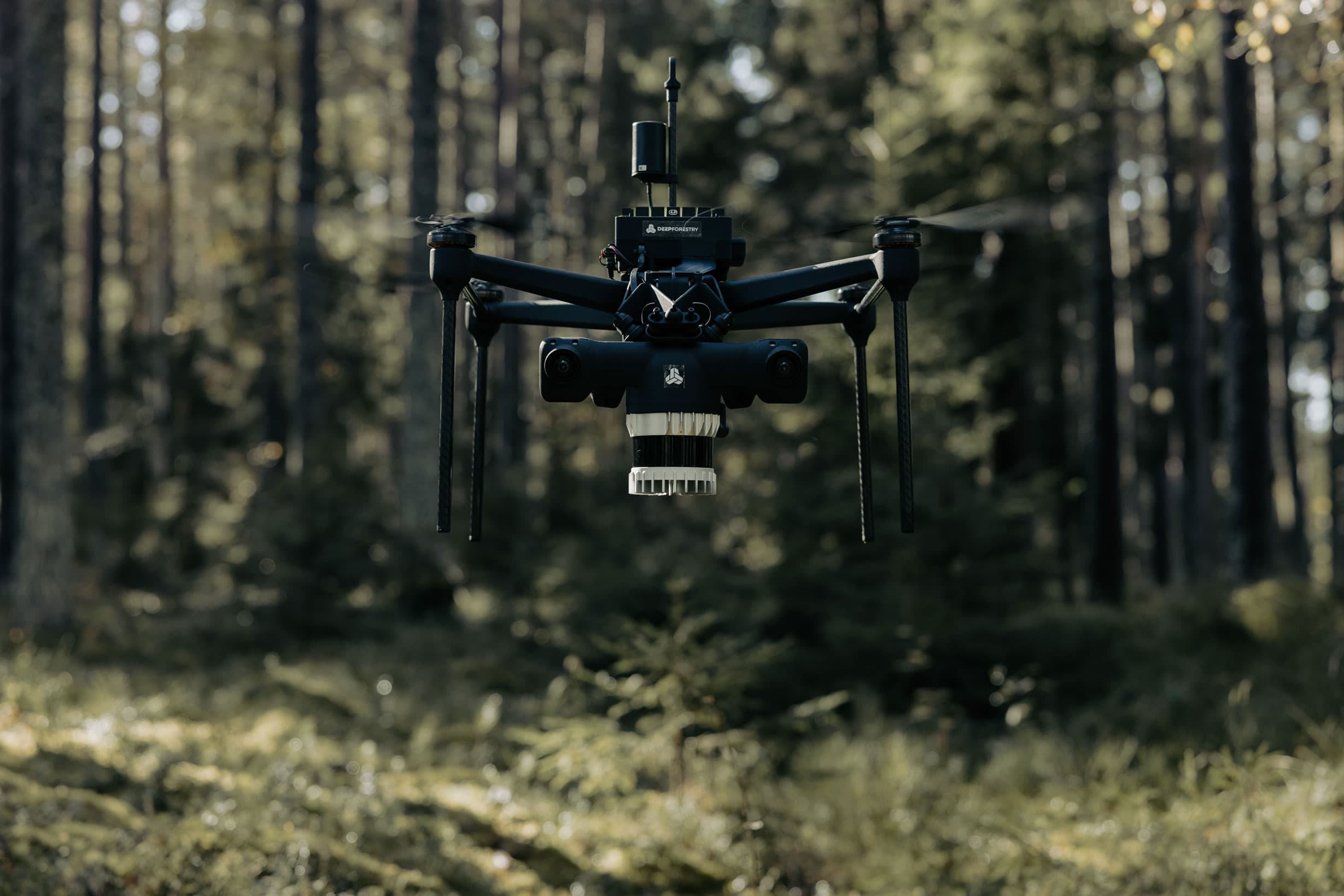
Large scale and high detail data acquisition, enabling advanced photogrammetry ensuring the generation of high resolution ortho mosaics, consistent 3D models and dense pointclouds.
CleverField a tool designed to keep models up to date when issues or critical situations are corrected in the system in a fast and cost effective way
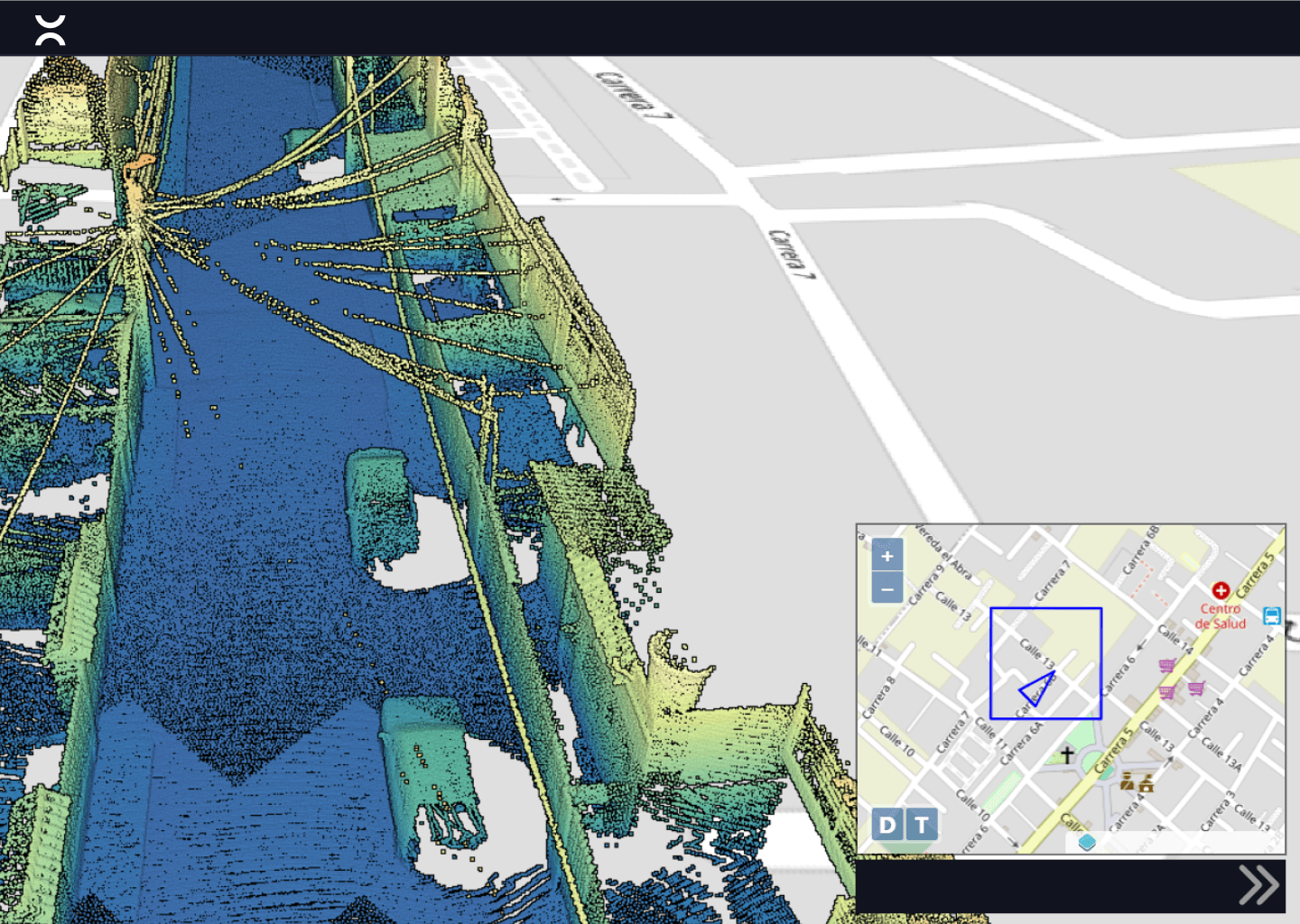
Point cloud data processing
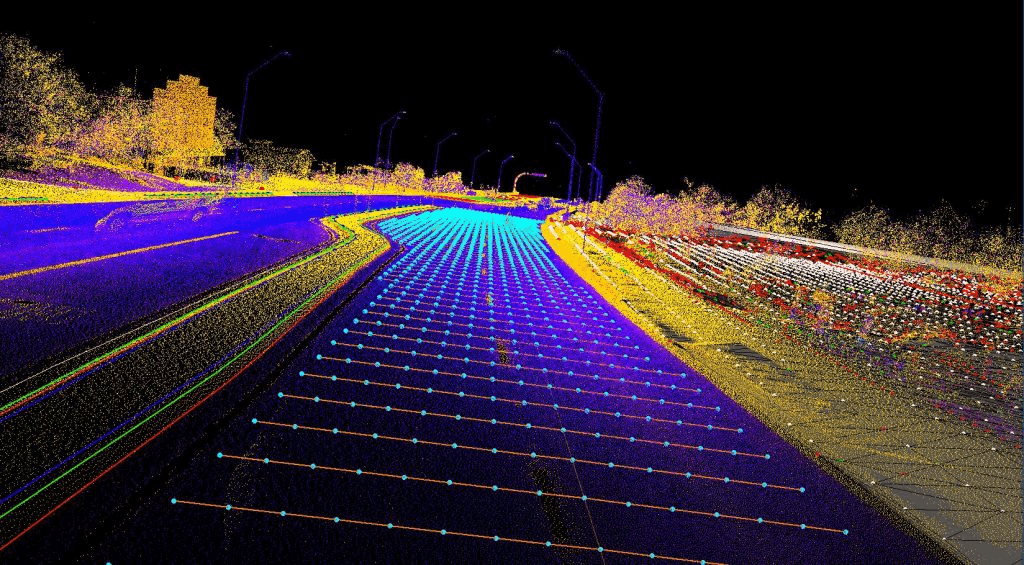
Clevertwin accepts data from multiple sources in industry-standard formats to build accurate 2D and 3D visualizations. Supported data types include: point clouds(LAS,LAZ), BIM models, 360o imagery(PNG, ELF), orthophotos (GeoTIFF, ECW raster files), vector data (Shapefile, KML, KMZ, GeoPackage)
Collaborative cloud platform
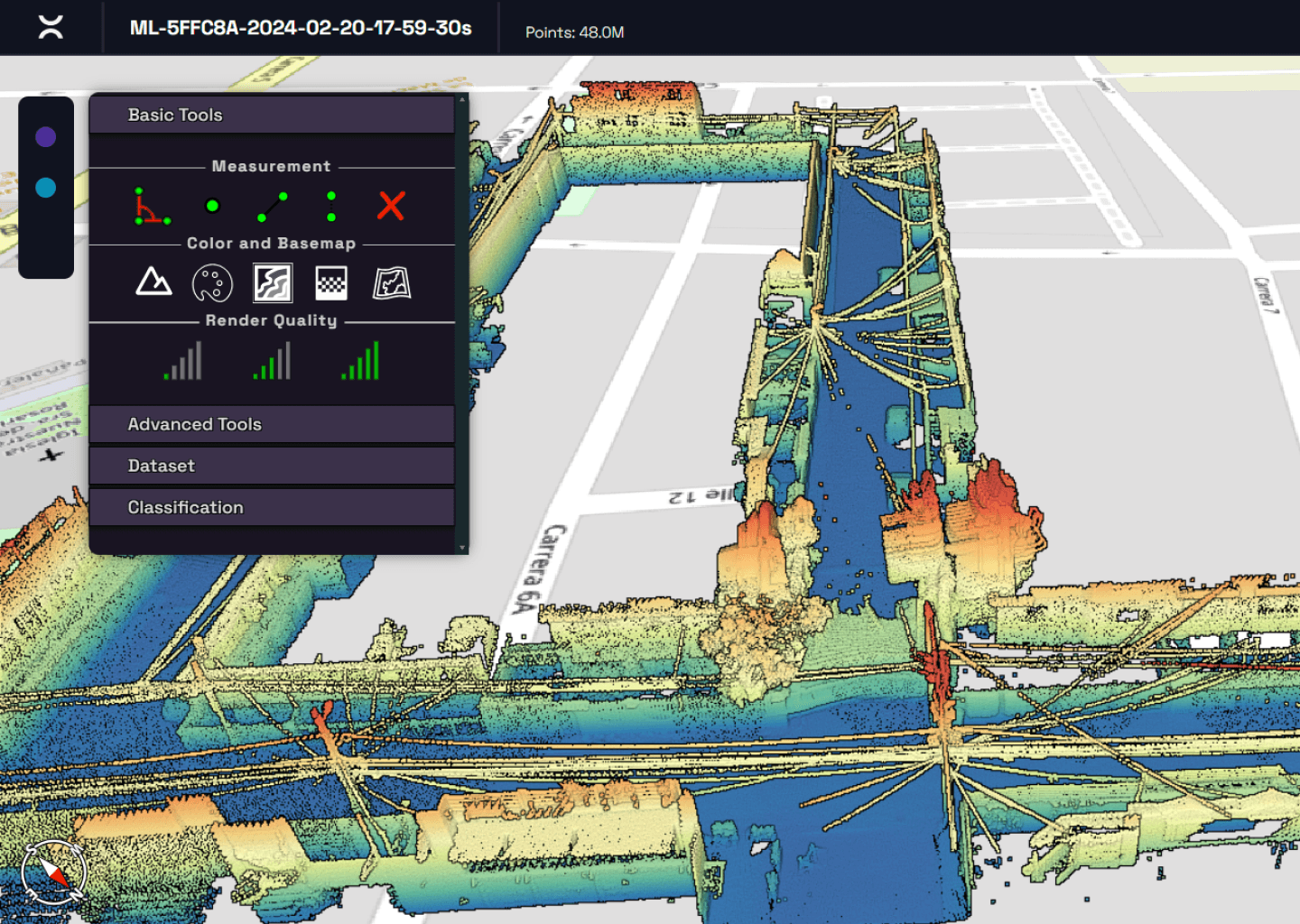
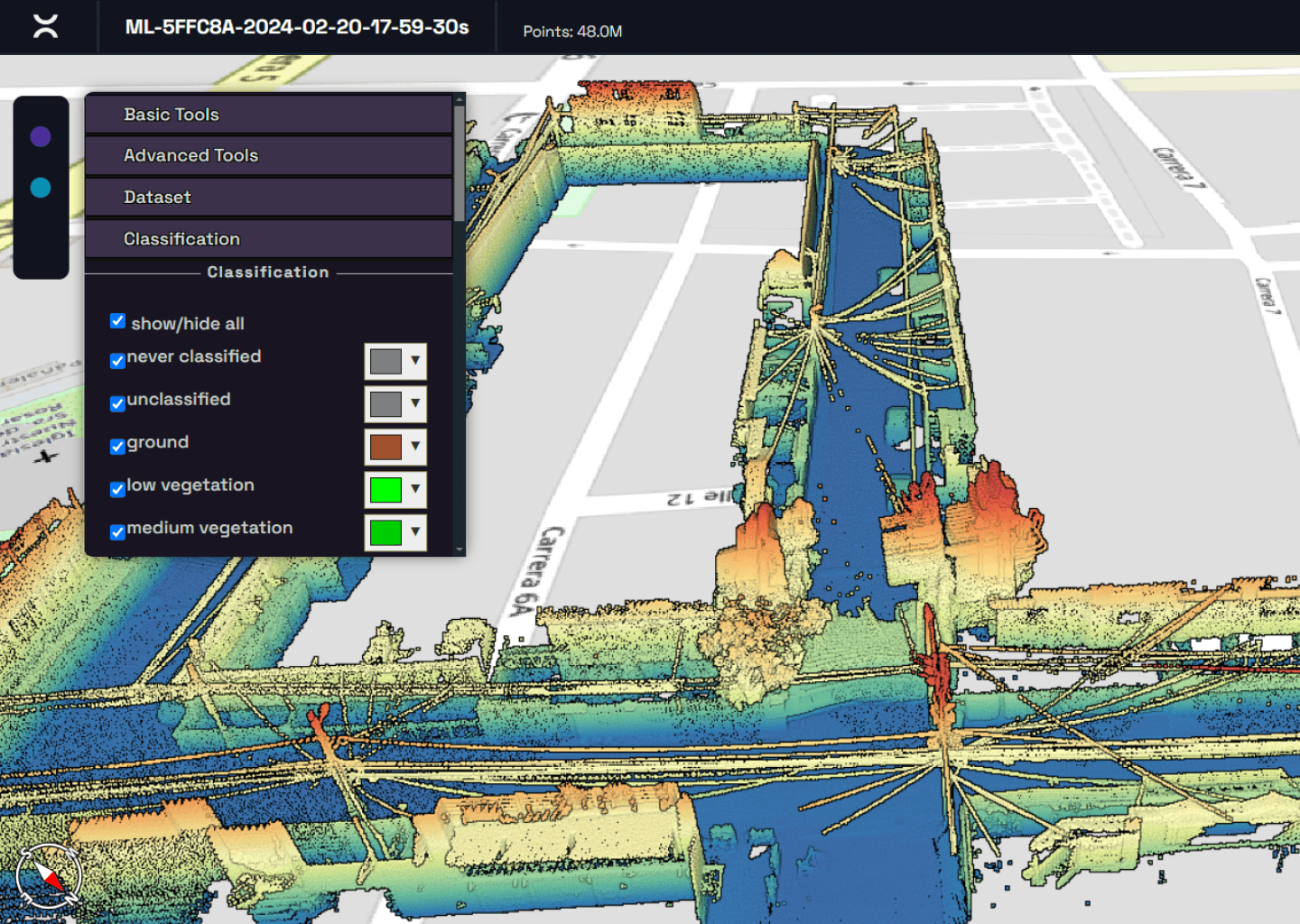
Through the web-based Clevertwin UI you can use tools to perform common geospatial operations like: measuring distances, areas and volumes, obtaining height profiles and visualizing different features of a point cloud (RGB, classification, intensity).
Empowered data experience
Clevertwin provides tools to label 2D or 3D points with textual or image metadata, ideal for scenarios like assessment inventory. Annotations can be exported for use in other tools on your workflow.
Point cloud data processing
Clevertwin accepts data from multiple sources in industry-standard formats to build accurate 2D and 3D visualizations. Supported data types include: point clouds(LAS,LAZ), BIM models, 360o imagery(PNG, ELF), orthophotos (GeoTIFF, ECW raster files), vector data (Shapefile, KML, KMZ, GeoPackage)
Collaborative cloud platform
Through the web-based Clevertwin UI you can use tools to perform common geospatial operations like: measuring distances, areas and volumes, obtaining height profiles and visualizing different features of a point cloud (RGB, classification, intensity).
Empowered data experience
Clevertwin provides tools to label 2D or 3D points with textual or image metadata, ideal for scenarios like assessment inventory. Annotations can be exported for use in other tools on your workflow.


Automated Project Analysis
Automatic detection of objects of interest using state-of-the-art AI computer vision. Our standard set of models includes elements like electrical poles, transformers, isolators, commercial signage, traffic signals and more.
Augmenting System Eyes
AI assisted services take your unlabeled point clouds and convert them into classified point clouds. We offer an still expanding list of standard classes which include: terrain, low-medium-high-vegetation, buildings, traffic signs, power lines, electrical poles, among others.
AI-Driven Monitoring
Integrating IoT sensors into the digital twins, enabling continuos, real-time updates on the condition of system components
Automated Project Analysis
Automatic detection of objects of interest using state-of-the-art AI computer vision. Our standard set of models includes elements like electrical poles, transformers, isolators, commercial signage, traffic signals and more.
Augmenting System Eyes
AI assisted services take your unlabeled point clouds and convert them into classified point clouds. We offer an still expanding list of standard classes which include: terrain, low-medium-high-vegetation, buildings, traffic signs, power lines, electrical poles, among others.
AI-Driven Monitoring
Integrating IoT sensors into the digital twins, enabling continuos, real-time updates on the condition of system components

valuable insights

Your data, including manual and automatic annotations, detections and classification, won’t be very usefulunless it can be transformed intoactionable information.


Generate useful data for cost and
time savings, reducing downtime by
simulating operational conditions to
improve efficiency.